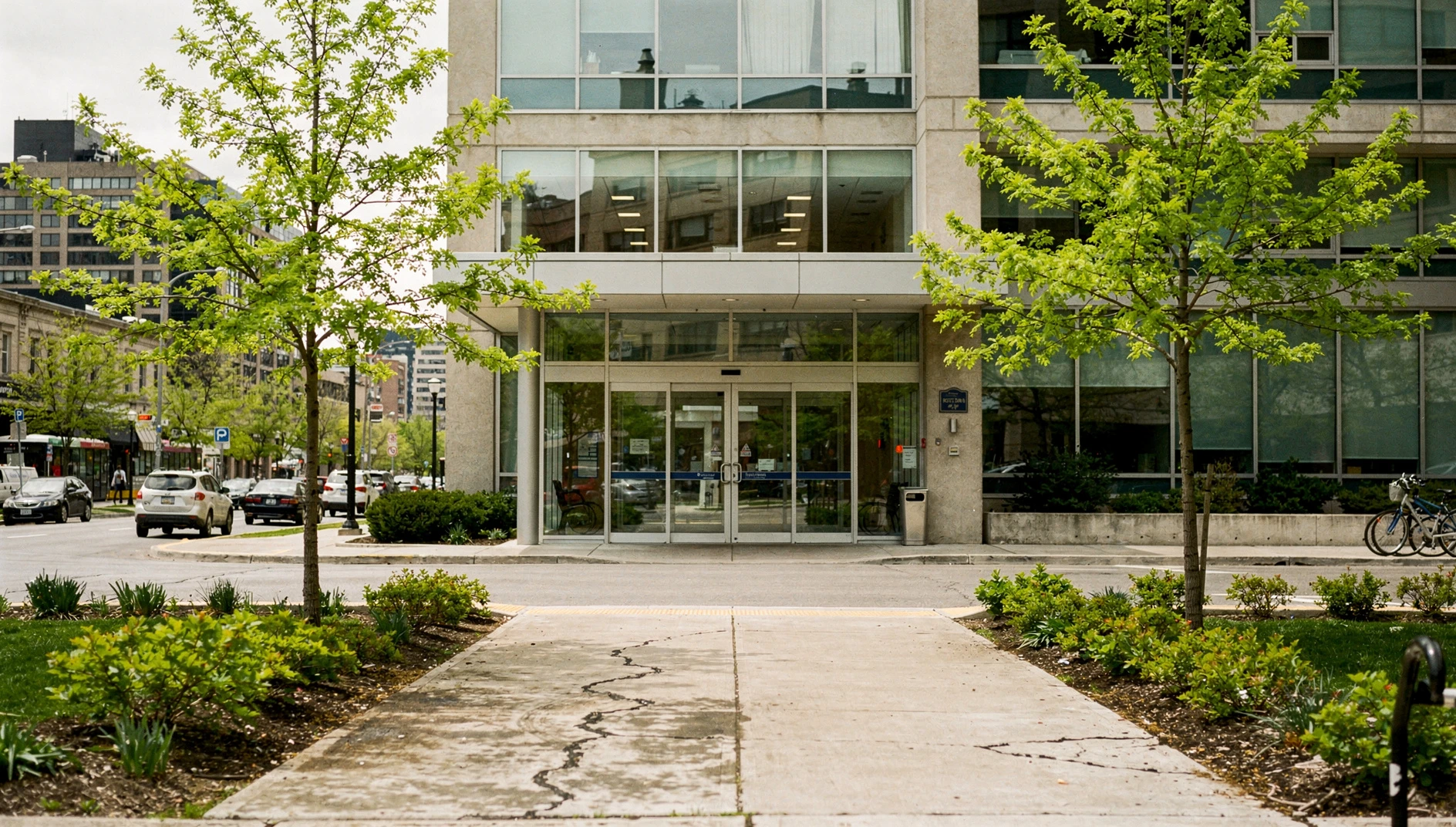
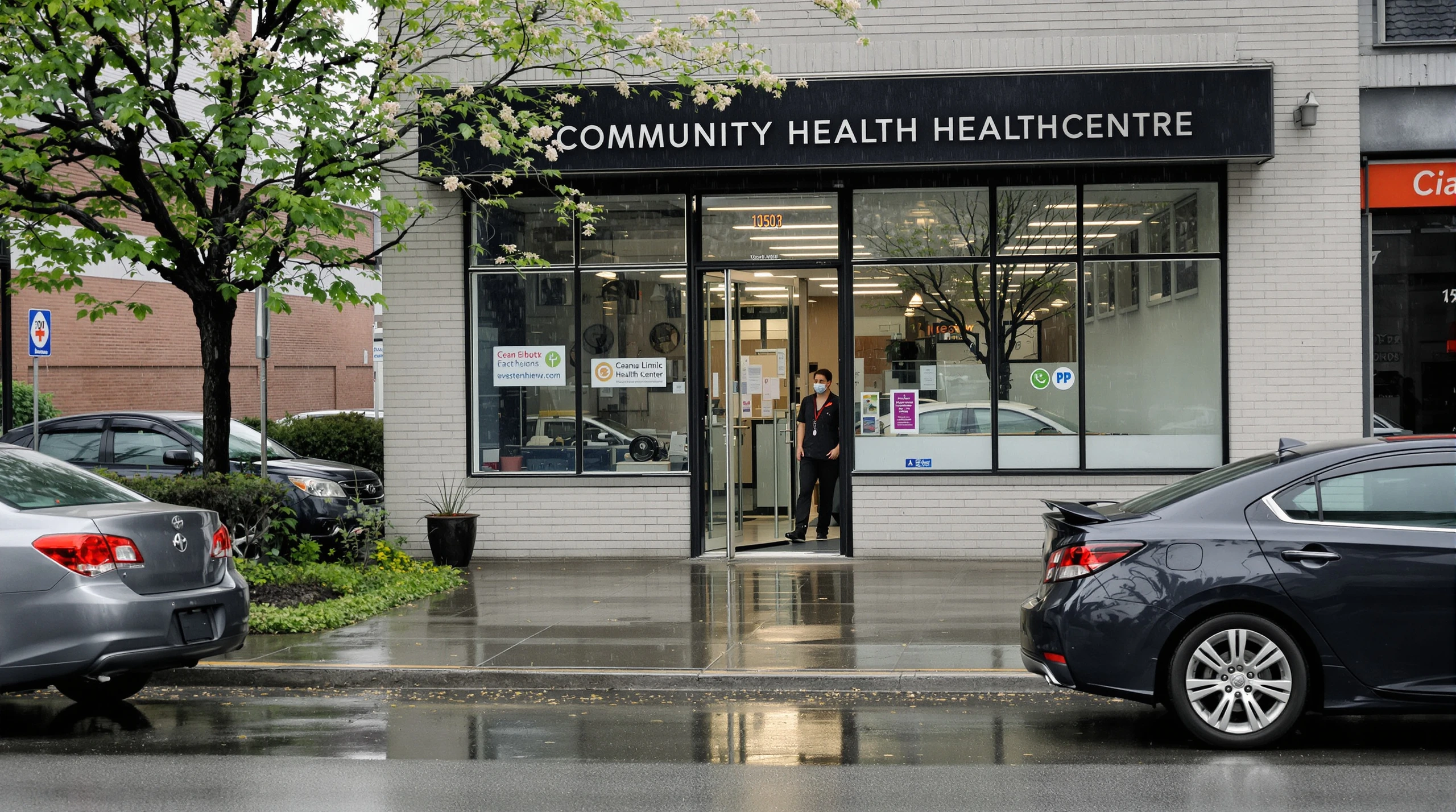
A Downtown East Toronto frontline health organization that has served people experiencing homelessness for four decades marked its 40th anniversary by opening its doors to the public during Doors Open Toronto 2026.
Street Health, located on Dundas Street East, welcomed residents, neighbours and visitors inside despite heavy rain throughout the weekend, offering a rare look at its outreach programs, nursing spaces, advocacy services and overdose prevention site.
"Street Health is marking our 40th anniversary in the community," Kathy Callahan, the organization's fundraising manager, told Regent Park TV, which attended the event and reported on the tour. "We wanted to be part of Doors Open so that the general public can drop by, can see what takes place at Street Health each and every day, and can learn more about the services that we provide to Toronto's homeless community."
For 40 years, the organization has provided health care, mental health supports, outreach, identification services and harm reduction programs to people experiencing homelessness and housing insecurity across the Downtown East.
Overdose prevention site shows its work
During the tour, staff walked visitors through how the overdose prevention site operates, showing monitoring equipment, oxygen supplies, overdose response tools and drug checking services used to support people who rely on Toronto's increasingly toxic street drug supply.
"Last month, we had 66 unique individuals and 169 visits," said a staff member named Matt from Street Health's overdose prevention site team. "There were nine overdoses last month and all of them survived. Nobody's ever died in an overdose prevention site or safe consumption site."
Staff also pointed to federal data showing tens of thousands of overdoses have been reversed at supervised consumption sites across Canada without a single recorded fatality inside the facilities. "The proof of their efficacy is there in that number," Matt added.
Workers emphasized that the organization's work extends well beyond emergency overdose response, connecting people with nursing care, identification programs, housing referrals, advocacy support, hygiene supplies, wound care and mental health services through a non-judgmental, community-based approach.
One of the biggest parts of the overdose prevention site is ensuring that people have access to wraparound care. Homelessness takes an incredible toll on individuals right now in the city.
That remark came from Callahan, who spoke during the tour, according to Frequency.
Frontline workers also highlighted the role of trust in reaching people who often face barriers accessing mainstream health care. "It's really essentially about developing the relationships that can support people in the best possible way," one worker explained during the tour. "It really helps when people have connected with our outreach team or our OPS team because they have trust with those folks."
At the front desk, staff described helping people replace lost identification, access health care, attend court appointments, apply for benefits and connect with other community supports. "We welcome them with open arms, with a smile," said one client support worker. "We ask them what they need based on their needs, and we connect them to the different services and people that can help them."
Fears over provincial closures
The open house came at a fraught moment. Staff raised concerns about the Ontario government's planned closure of supervised consumption sites later this year and what losing those services could mean for Downtown East neighbourhoods already struggling with overdose deaths and housing instability.
"We want to maintain our service because the street drug supply in Toronto is toxic and highly unpredictable," Callahan said. "The need is very high in our community and will become more so once the safe consumption sites in Ontario are closed."
For communities in Regent Park, Moss Park and surrounding Downtown East neighbourhoods, the issues discussed during the tour are part of everyday life. Rising homelessness, overdose deaths, housing insecurity and pressure on community services continue to affect residents, making organizations like Street Health a key part of the area's frontline support network.